Streamlined Logistics Transformation at the RAI Amsterdam

Expectations

RAI Amsterdam aimed to enhance their logistics operations with the goals of:
  • Expanding distribution capabilities

  • Improving data-driven decision-making and communication
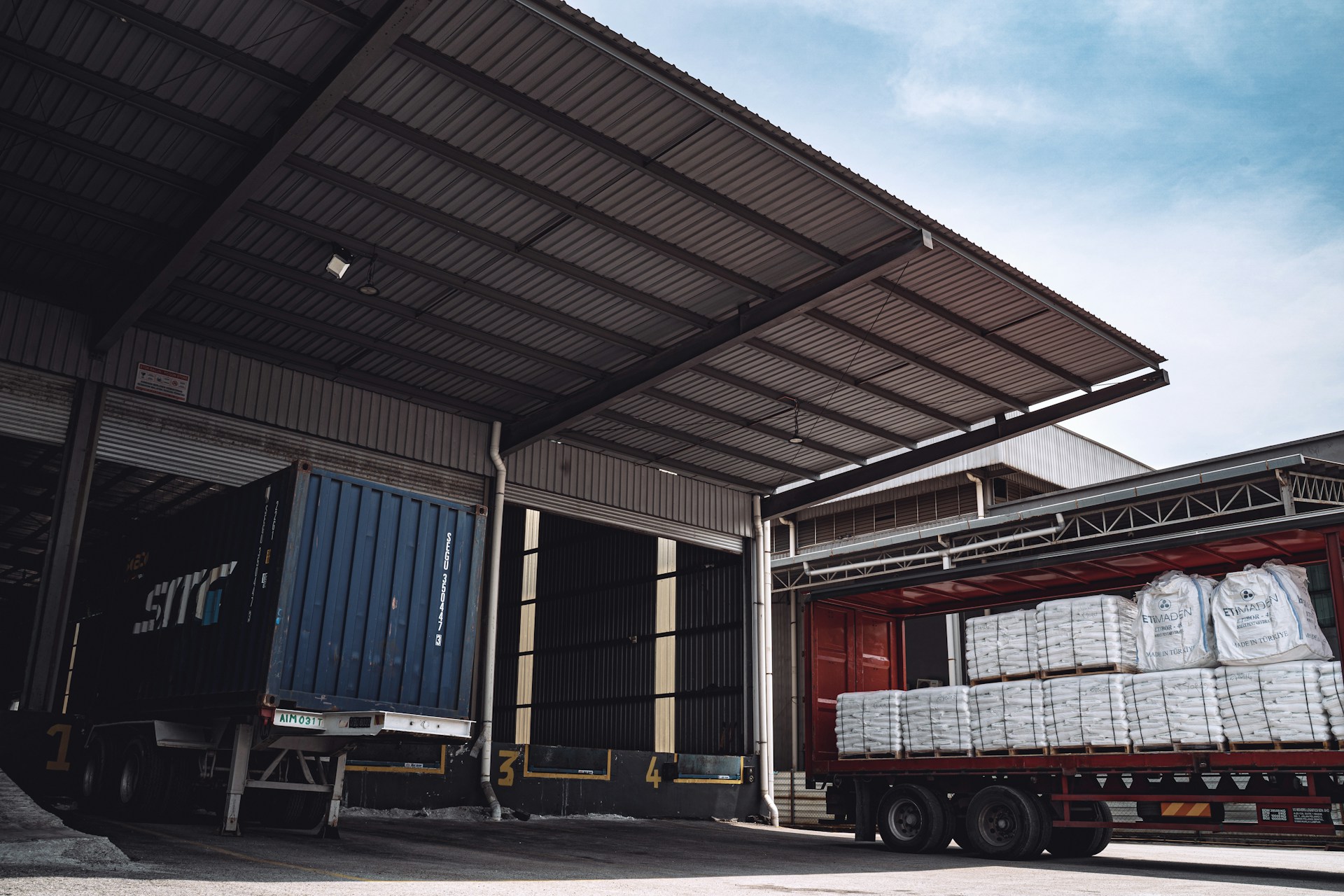
Loading area
Loading area

Expectations

RAI Amsterdam aimed to enhance their logistics operations with the goals of:
  • Expanding distribution capabilities

  • Improving data-driven decision-making and communication

Realisation

By implementing the Voyage Control system and leveraging industry expertise, RAI Amsterdam achieved:

Optimised Distribution and Flow Management

  • More Distribution and Direction Upfront: Early allocation of distribution points and clear directions minimised congestion, particularly in front of barriers.

  • Closer Proximity to Loading/Unloading Doors: Vehicles could access doors more efficiently, reducing time spent on-site and easing movement.
  • Staggered Vehicle Arrivals: By staggering arrivals throughout the day, the environment became safer and quieter, reducing pressure on work areas.

Enhanced Operational Efficiency

  • Smoother Traffic Flow: The streamlined entrance process, facilitated by fully completed vehicle passes, minimised delays and bottlenecks.
  • Efficient Use of Halls and Loading Areas: Improved scheduling allowed for better capacity utilisation and less inactivity among forklifts and staff, reducing operational downtime.

  •  Digital Transition: The shift from paper-based to digital systems significantly cut down on paperwork, time, and costs. It also ensured a more reliable tracking and verification process.

Improved Communication and Coordination

  • Proactive Vehicle Management: Vehicles with unpaid lorry parking were flagged and managed digitally, avoiding confusion and unauthorised access.
  • Data Accessibility: The Voyage Control system provided easy access to critical information, such as licence plate numbers and driver contact details.
  • Pre-arrival Preparation for International Drivers: Drivers received clearer guidance, ensuring they arrived well-prepared and knew their exact destinations within the venue.

Technological Integration

  • Phased Build-Up Technology: This technology enabled phased operations, granting early access to authorised contractors and exhibitors and eliminating the need for manual checks.

Key Benefits

Increased Safety and Tranquillity

The systematic approach to scheduling and traffic management reduced vehicle congestion, leading to a calmer and safer environment.

Operational Predictability

With an accurate forecast of daily vehicle traffic, staff scheduling became more efficient, matching resources with demand.

Reduced External Dependencies

The need for external holding areas was minimised, with only two events per year requiring such arrangements.

Conclusion

RAI Amsterdam's strategic overhaul of their logistics operations, driven by the implementation of the Voyage Control system, has not only streamlined processes and reduced inefficiencies but has also created a more predictable and safe environment. The integration of Voyage Control has been pivotal in achieving these outcomes, setting a new standard for event logistics management.


This case study demonstrates how embracing technology and strategic planning can lead to significant improvements in operational efficiency and service quality.