The Architecture, Engineering, and Construction (AEC) Industry has been a pivotal driver of economic growth globally, contributing significantly to the world's GDP (McKinsey & Company, 2020). However, one recurring challenge that has persisted for decades within the construction sector is subcontractor fragmentation. This phenomenon highlights the prevalence of numerous small, independent businesses within the industry. In this case study, we delve into the multifaceted implications of subcontractor fragmentation within the USA construction industry. This analysis aims to uncover the root causes, financial repercussions, and environmental impact of this fragmentation, while also presenting innovative solutions that strive to streamline the sector's operations.
Key Findings
The construction industry, despite its substantial contributions, has faced longstanding productivity challenges compared to other sectors. This disparity can be attributed to the industry's inherent fragmentation and the difficulty in attracting and integrating digital talent, hindering innovation. McKinsey & Company's research (2020) reveals that digitization within construction lags behind almost every other industry, leading to recurrent customer dissatisfaction stemming from budget overruns and project delays.
Voyage Control seeks to revolutionize project profitability, communication, organization, and efficiency, fostering the modernization of construction site practices worldwide. This ambition is exemplified by Voyage Control’s data gathering from research conducted in the first six months of 2023 across selected projects in five US states.
8.5%
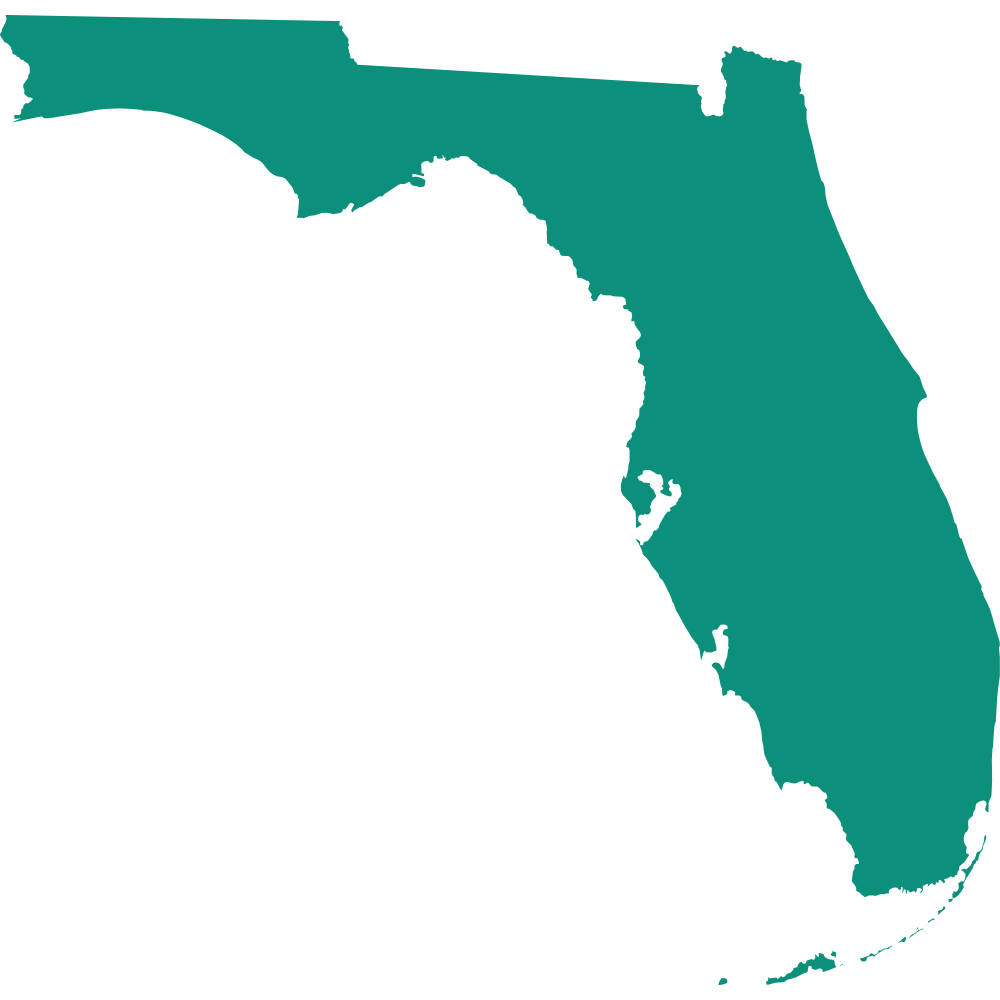
In Florida, our analysis showed a total of 650 bookings across 10 sites within the same two-to-three companies. These bookings involved approximately 47 subcontractors, out of which four were booked across more than one site.
8.5%
In Florida, our analysis showed a total of 650 bookings across 10 sites within the same two-to-three companies. These bookings involved approximately 47 subcontractors, out of which four were booked across more than one site.
9.8%
In California, our analysis showed a total of 206 bookings across 10 sites within the same two-to-three companies. These bookings involved approximately 91 subcontractors, out of which nine were booked across more than one site.
9.8%
In California, our analysis showed a total of 206 bookings across 10 sites within the same two-to-three companies. These bookings involved approximately 91 subcontractors, out of which nine were booked across more than one site.
19.7%
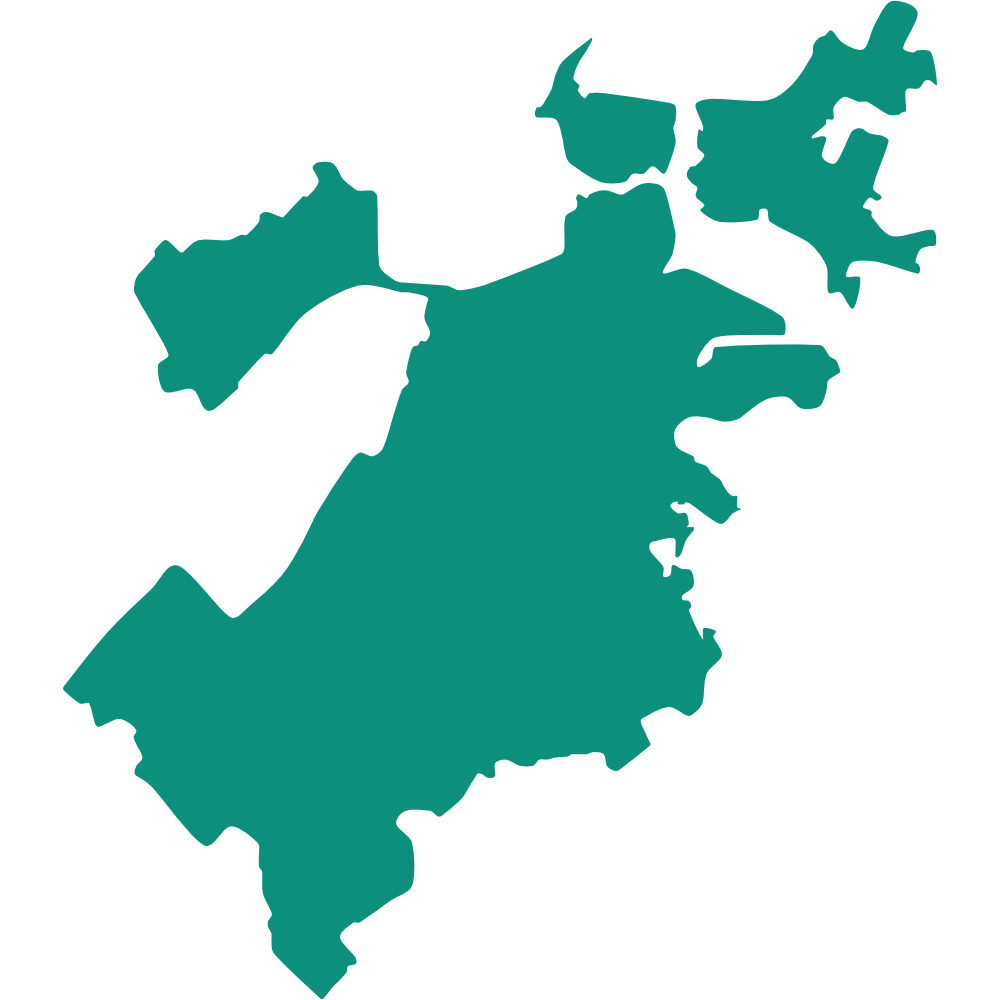
In Boston, our analysis showed that of 16 sites, 4,685 bookings were made from 213 subcontractors. From these, only 42 of them worked across more than one construction site.
19.7%
In Boston, our analysis showed that of 16 sites, 4,685 bookings were made from 213 subcontractors. From these, only 42 of them worked across more than one construction site.
20.1%
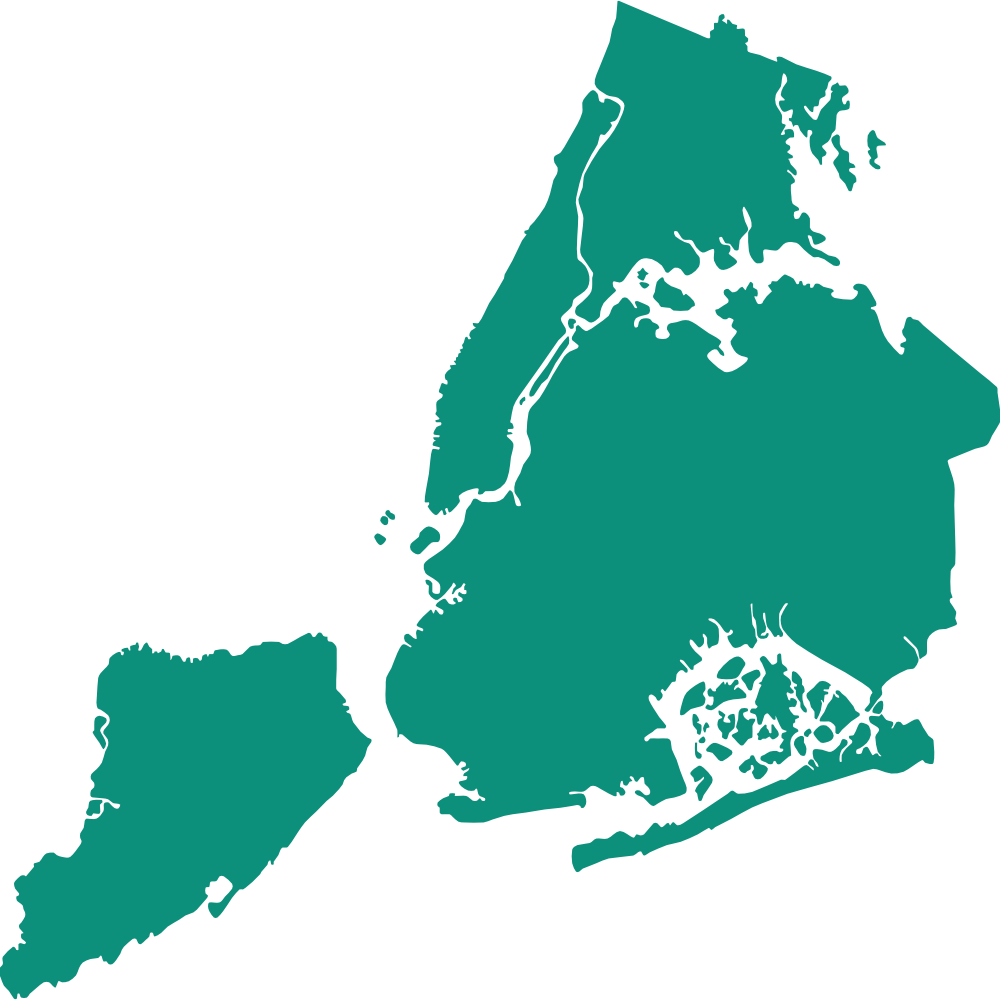
In New York and surrounding areas, our analysis showed a total of 5,741 bookings across 14 sites within the same two-to-three companies. These bookings involved approximately 174 subcontractors, out of which only 37 were booked across more than one site.
20.1%
In New York and surrounding areas, our analysis showed a total of 5,741 bookings across 14 sites within the same two-to-three companies. These bookings involved approximately 174 subcontractors, out of which only 37 were booked across more than one site.
17.6%
In Washington D.C and Virginia, our analysis revealed a total of 7,202 bookings across 24 sites within the same two-to-three companies. These bookings involved approximately 318 subcontractors, of which only 56 were booked across more than one site.
17.6%
In Washington D.C and Virginia, our analysis revealed a total of 7,202 bookings across 24 sites within the same two-to-three companies. These bookings involved approximately 318 subcontractors, of which only 56 were booked across more than one site.
The data collected from Voyage Control’s research provides a tangible insight into subcontractor fragmentation throughout the construction industry, particularly within the USA. It is clear that there is a large degree of subcontractor fragmentation as there is a small number of subcontractors working on projects that are often headed by the same general contractor, utilizing the same operational practices and logistical systems. It has been seen that increasing fragmentation often results in communication challenges, inefficiencies, and difficulties in resource allocation or optimization. Utilizing subcontractors across multiple projects within their respective areas gives the team a heightened understanding of similar projects. This approach yields increased efficiencies through ongoing experience with similar procedures including delivery and resources management systems as well as fostering greater communication throughout the site.
Main Ways To Schedule Deliveries Prior To Using Voyage Control
Traditionally, delivery management within the construction site ecosystem relied heavily on manual methods. The prevalent approaches included:
Emails & Microsoft Spreadsheets
Historically, the majority of contractors depended on a combination of email communication and spreadsheets to manage delivery schedules. However, conversations with industry experts, like a Project Manager based in New York City, indicate that this approach was far from effective. In his own words, "We would send an email to the general contractor and hope for the best". When asked whether he personally thought this method was effective, he stated that “No - it was terrible”. The inefficiency of this method was palpable, leading to the need for a more structured solution.
Whiteboard & Phone Calls
Another prevalent method was the use of whiteboards for visual scheduling and relying on phone calls for communication. While this had some advantages, it was prone to human error and lacked the real-time coordination necessary for efficient project management.
Direct Financial Cost
The fragmented nature of the construction industry has contributed significantly to its global reputation as one of the least productive sectors. This productivity deficiency is closely intertwined with outmoded practices and the industry's reluctance to embrace innovative systems (Raizi, S., Zainuddin, M., Nawi, M., Musa, S., Lee, A. 2020). Consequently, a range of issues have emerged, encompassing project delays, budget overruns, conflicts, compromised safety, and inefficiencies.
Construction materials and logistical management stand out as critical facets of any construction project. Fragmentation hinders the seamless coordination of these elements, leading to substantial cost escalations and project setbacks. A major catalyst for cost overruns in projects pertains to delivery expenses and the associated costs of managing deliveries from the factory to the project site entrance. Given that "construction material remains a pivotal component in the execution of construction projects," Voyage Control’s research with subcontractors reveals delivery costs up to USD$2,000, encompassing both material transport and labor expenses. Subcontactors may struggle to recover funds after failed deliveries. These prices frequently experience inflation due to repercussions stemming from subpar material management.
Late material deliveries and the risk of procurement at inflated prices culminate in exacerbated delays and cost overruns, attributable to site inefficiencies, congestion, or miscommunication. As these costs escalate, subcontractors rarely manage to recoup these expenses, necessitating material reordering. Consequently, project expenses further inflate (Aljohani, A., Ahiaga-Dagbui, D., & Moore, D. 2017)
Other Costs: Failed Deliveries
The repercussions of fragmented subcontractor management extends beyond financial losses. Failed deliveries contribute to project delays, impacting the overall timeline. Inefficient delivery management disrupts project schedules, creating a ripple effect of cascading delays throughout the construction process. These delays not only affect the immediate project but also limit the potential for optimized resource allocation across different construction sites, impeding the efficiency of the entire network.
Moreover, failed deliveries strain relationships between stakeholders, leading to conflicts and disputes that can further exacerbate delays and drive up costs. The inability to deliver materials as planned disrupts the delicate balance of project coordination and can lead to mistrust among subcontractors, contractors, and clients. The resulting conflicts consume valuable time and resources that could be better utilized for productive construction activities.
A broader perspective reveals that the construction industry's fragmented nature results in suboptimal labor utilization, hampering productivity on a larger scale. Inefficient delivery management hinders the seamless flow of labor across different project phases, leading to the underutilization of skilled workers and overall reduced workforce efficiency. This macro issue accentuates the need for a more integrated approach to subcontractor management, where optimized labor utilization is prioritized across the construction ecosystem.
These non-monetary costs highlight the interconnectedness of various project components and emphasize the need for a holistic approach to subcontractor management. In an industry where time, resources, and collaboration are pivotal, addressing these non-financial repercussions becomes integral to achieving successful project outcomes. The adoption of advanced management solutions like Voyage Control addresses these challenges, streamlining communication, enhancing coordination, and ultimately reducing the non-monetary costs associated with subcontractor fragmentation.
Environmental Impact
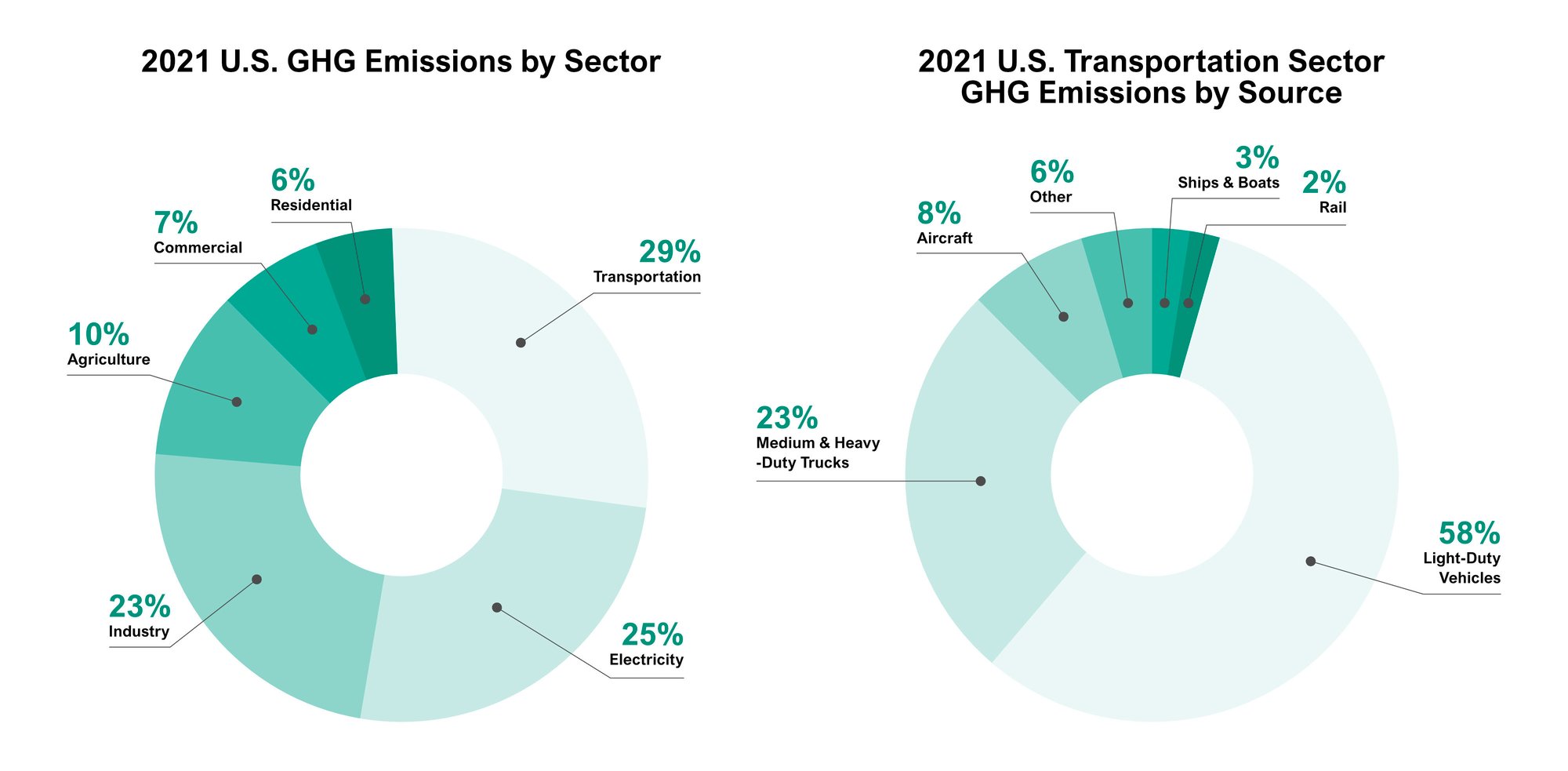
The environmental toll of subcontractor fragmentation extends beyond economic ramifications. Inefficient deliveries lead to increased transportation emissions, resource waste, and energy consumption, contributing to the industry's carbon footprint. A United Nations Environmental Programme report found that “the building and construction sector’s energy consumption and CO2 (Carbon Dioxide) emissions have rebounded from the COVID-19 pandemic to an all-time high” with the construction industry around the world seeing its “operational energy-related CO2 emissions reached ten gigatonnes of CO2 equivalent – 5% over 2020 levels and 2% over the pre-pandemic peak in 2019” (2022). This is also seen in a report by the United States Environmental Protection Agency (EPA) that “The transportation sector is one of the largest contributors to anthropogenic U.S. greenhouse gas (GHG) emissions.” with “transportation accounting for the largest portion (29%) of total U.S. GHG emissions in 2021”. Within the transportation sector that the report speaks of, “medium and heavy-duty trucks emit 23%” of the total CO2 emissions generated from the sector (2023).
Much of this is a result of a lack of effective logistical organization causing an innumerable amount of idling commercial vehicles around construction sites emitting CO2, NOx (Nitrous Oxide), and other particulate matter. 1971 first saw New York City’s anti-idling laws enacted with the contribution of more stringent laws being announced in 2009 by the City. This is after a New York City Council oversight committee report stated that “Although idling restrictions have been in place in New York City since 1971, many drivers persist in idling their engines, leading to questions about the effectiveness of our idling law” (Hudson, W. 2012). 2019 saw the New York City Council and former Mayor Bill de Blasio publicize an addition to the anti-idling law known as the Citizen’s Air Complaint Program. This Program resulted in the creation of “Idle Warriors” capitalizing on the ability to seek monetary reward by reporting commercial vehicles that have been left idling (Siff, A. & Pavlovic, K. 2022 and Wilson, M. 2022). By streamlining delivery processes, delivery management systems (DMS) like Voyage Control help mitigate the amount of CO2, NOx, and other particulate matter being emitted by vehicles on delivery routes through carbon capture features, live vehicle tracking, and cloud-based scheduling that makes double booking and bottlenecks at delivery bays a thing of the past.
In conclusion, subcontractor fragmentation has long plagued the construction industry, hindering productivity and efficiency while generating financial, operational, and environmental challenges. The comprehensive insights from this case study highlight the adverse effects of this fragmentation, from budget overruns and project delays to strained stakeholder relationships and heightened environmental footprints. Voyage Control's innovative approach stands as a promising solution, offering a comprehensive framework to streamline communication, optimize resource allocation, and mitigate both financial and non-monetary costs. By embracing such integrated solutions, the industry can pave the way for a more cohesive, sustainable, and successful future in construction.
Research
A Critical Review of Fragmentation Issues in the Construction Industry. Raizi, S., Zainuddin, M., Nawi, M., Musa, S., Lee, A. International Research Association for Talent Development and Excellence. 2020.
Construction Projects Cost Overrun: What Does the Literature Tell Us?, Aljohani, A., Ahiaga-Dagbui, D., and Moore, D., International Journal of Innovation, Management and Technology, 2017. http://www.ijimt.org/vol8/717-MP0022.pdf
$87.50 for 3 Minutes: Inside the Hot Market for Videos of Idling Trucks, Wilson, M., The New York Times, 2022. https://docs.google.com/document/d/1jq9aalXhLC9yiR2xQfkDuurOhM7v-KYcFkR3KubEz_I/edit